Fantastic crowd out to #AuditTheIRS pic.twitter.com/dcrfKDdnlK
— Chris Loesch (@ChrisLoesch) June 19, 2013
Massive Crowd at #audittheIRS in DC 10,000 turn out pic.twitter.com/FsDyX4DhiH
— Jim Hoft (@gatewaypundit) June 19, 2013
DOZENS OF TEA PARTY MEMBERS AT #AuditTheIRS rally in D.C. – thanks, MSM. pic.twitter.com/US29cnqlHN
— Jennifer Jacques (@JennJacques) June 19, 2013
#Immigration will cost more than a fortune. It will cost a Nation. – Rep. Michelle Bachman #audittheirs pic.twitter.com/kdq70PYbVj
— dorothy1961 (@dorothy1961) June 19, 2013
#audittheirs pic.twitter.com/55r0CXSgZC
— Barry Barretta (@BarryBarretta) June 19, 2013
#AuditTheIRS we chose our Independence & God gave us the rights not 0bama
— Inspire(D) by Palin (@Palinspired) June 19, 2013
At the #audittheirs rally @theblaze @PatandStu pic.twitter.com/w5WTvwfhuN
— dorothy1961 (@dorothy1961) June 19, 2013
Tea Party Activists Rally Against The #IRS [LIVE] C-SPAN http://t.co/URP08EDE96 #AuditTheIRS #TeaParty #IRS
— WisConservative (@CarterFliptMe) June 19, 2013
— Korpit (@Korpit) June 19, 2013
REPEAL THE INCOME TAX #AuditTheIRS #tcot #AbolishTheIRS
— Kelly Campagna (@warriorwoman91) June 19, 2013
Why does the IRS need to know the content of our prayers? #AuditTheIRS #tcot
— Kelly Campagna (@warriorwoman91) June 19, 2013
Trending topics in US right now: #AudittheIRS, Vince Flynn, Jimmy, Hoffa, Glenn Beck, Miley Cyrus pic.twitter.com/g8ln0zwa1z
— Michelle Malkin (@michellemalkin) June 19, 2013
Defund the IRS, lock the doors, and turn off the lights #TeaPartyBecky #AuditTheIRS #tcot
— Kelly Campagna (@warriorwoman91) June 19, 2013
It's the Shire vs. Mordor #TeaPartyBecky #AuditTheIRS #tcot
— Kelly Campagna (@warriorwoman91) June 19, 2013
Every American should be able to fill out their taxes on a postcard. @SenTedCruz #AuditTheIRS #tcot
— Kelly Campagna (@warriorwoman91) June 19, 2013
We gave them such a run for their money they had to cheat to win! #DanaLoesh #AuditTheIRS #tcot
— Kelly Campagna (@warriorwoman91) June 19, 2013
@warriorwoman91 ABOLISH the IRS!
— Elaine (@equaltreatment) June 19, 2013
The difference b/t Vegas and DC, at least Vegas admits they have Crooks and Hookers @GlennBeck at #AuditTheIRS Rally pic.twitter.com/Dy1lYFyhJt
— Wayne Dupree ✌✊ (@NewsNinja2012) June 19, 2013
Just met @SenTedCruz and shook his hand at the #AuditTheIRS Rally ❤🇺🇸❤🇺🇸 great day for #Liberty! pic.twitter.com/sMXMNC3lw4
— ShoreDor (@ShoreDor) June 19, 2013
Re-tweet this if you think we need to #AuditTheIRS or better yet get rid of it all together. #tcot
— Brian Erbland (@brianerbland) June 19, 2013
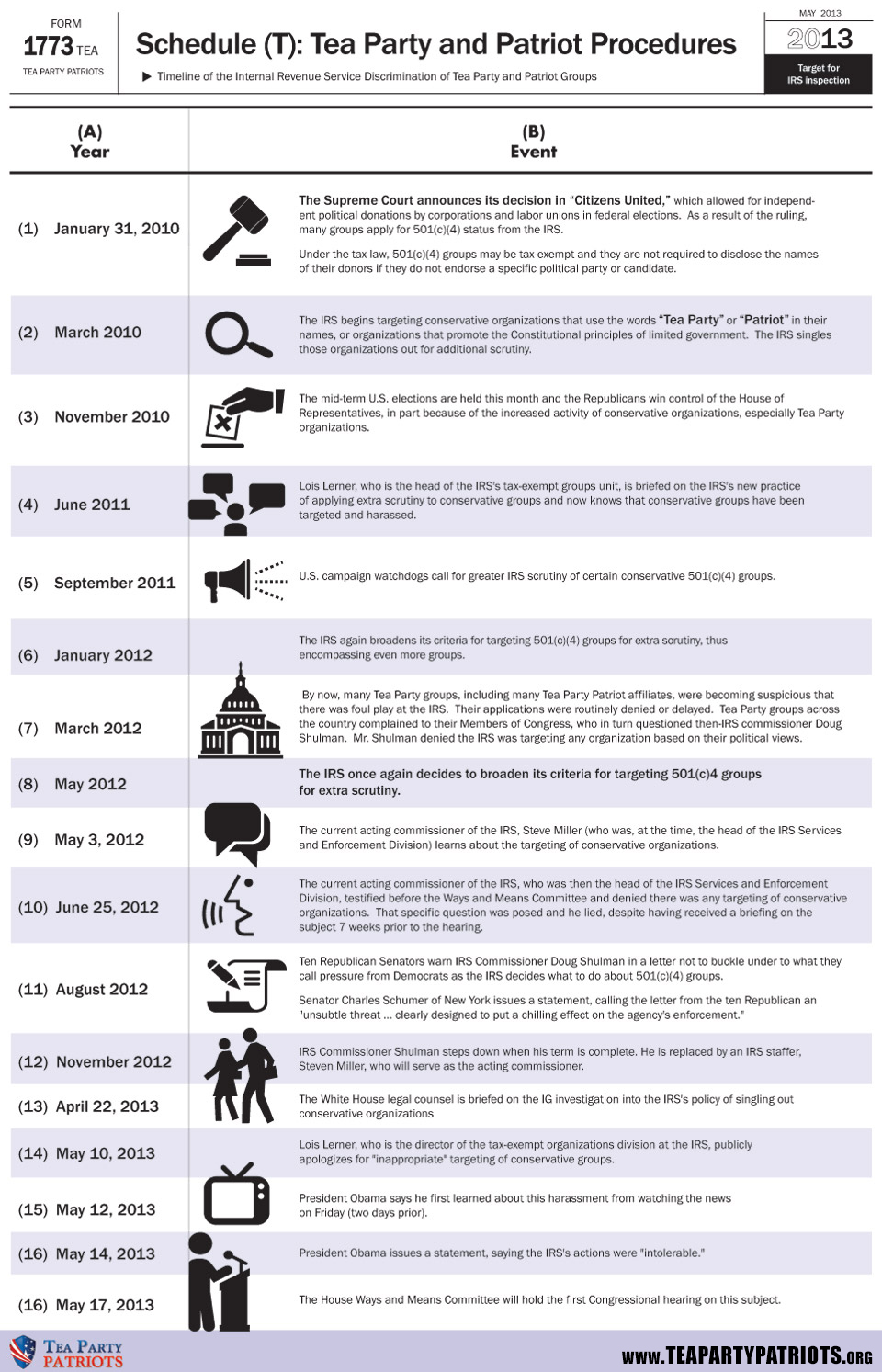
 WarriorWoman91