tcot
The 25 Republican Senators That Voted For Cloture
A vote in favor of cloture was a vote to cut off all debate on the House budget bill that would have defunded Obamacare. The following vote was to pass the bill providing the language to defund Obamacare was stripped from it. Cloture required 60 votes to pass, while passing the bill only require 51 votes. As we know the Democrats hold the majority in the Senate, but without Republican support they would not have the 60 votes needed for cloture.
By voting yes on cloture and no on stripping the language to defund out of the House budget bill, these senators ultimately sided with Harry Reid to provide him the ability to save Obamacare. In the process, they created the opportunity to lie to their constituents by saying that they voted for the bill to defund Obamacare, when in reality in the cloture vote that mattered these senators did the exact opposite. Bear these things in mind when next deciding who to vote for on your ballot.
| Lamar Alexander (R-TN) reelection 2014 | John Cornyn (R-TX) reelection 2014 |
| Kelly Ayotte (R-NH) reelection 2016 | Lindsey Graham (R-SC) reelection 2014 |
| John Barrasso (R-WY) reelection 2018 | John Hoeven (R-ND) reelection 2016 |
| Roy Blunt (R-MO) reelection 2016 | Johnny Isakson (R-GA) reelection 2016 |
| John Boozman (R-AR) reelection 2016 | Mike Johanns (R-NE) reelection 2014 |
| Richard Burr (R-NC) reelection 2016 | Ron Johnson (R-WI) reelection 2016 |
| Saxby Chambliss (R-GA) reelection 2014 | Mark Kirk (R-IL) reelection 2016 |
| Jeff Chiesa (R-NJ) reelection 2018 | John McCain (R-AZ) reelection 2016 |
| Dan Coats (R-IN) reelection 2016 | Mitch McConnell (R-KY) reelection 2014 |
| Tom Coburn (R-OK) reelection 2016 | Lisa Murkowksi (R-AK) reelection 2014 |
| Thad Cochran (R-MS) reelection 2014 | John Thune (R-SD) reelection 2016 |
| Susan Collins (R-ME) reelection 2014 | Roger Wicker (R-MS) reelection 2018 |
| Bob Corker (R-TN) reelection 2018 |
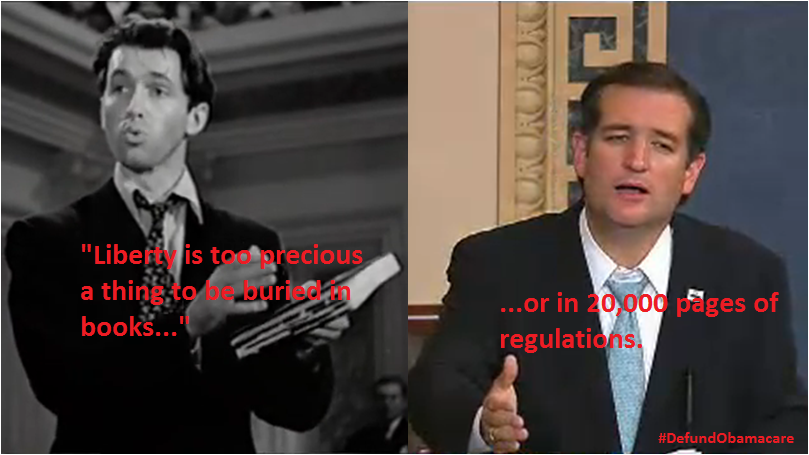
“Liberty is too precious a thing to be buried in books…”
Rush Limbaugh – Liberal Caller Can’t Give an Example of Hate or Vitriol From Limbaugh
Glenn Beck: I Prayed to Want to not to be Fat!
Ben Shapiro Talks Politics to Young Americans Foundation
Reagan and Obama Face-off in the Ring – I Want Your Money Movie Clip
Mark Levin Has Fun with a Liberal
Mr Smith Goes to Washington-“Lost Causes”
Keynesian Economics, and Why It Fails
Keynesian economics. You’ve probably heard the phrase before; it’s usually touted by liberals as the ultimate example of perfected economic policy. My college professor explained that Keynesian economics is the idea that the government should spend extra money when the economy is down in order to stimulate it, then cut back on spending when the economy is good. FDR used this model with his New Deal programs, as has the current president with his 2009 Stimulus Program (though both without ever cutting back on spending).
Well my 18-year-old brain was essentially mush at the time I entered college–not completely, but just about. I bought this ideology hook, line, and sinker…then. Now after 4 years of my own study in the school of common sense I’ve realized that my beloved college professor left half the story out of the lecture. The only way that government has any money is by taking it out of the private sector with the down economy, thereby making the problem worse. Certainly large government picks and chooses who gets the money as it sees fit, but it cannot produce more money–only a thriving private sector can do that.
With all this talk of governments spending money, Keynesian economics begins to sound very much like redistribution of wealth (see theft). Well here’s the bombshell: it is. Keynesian economics follows the same idea that the government knows how best to spend money, and if it can only spend enough it will eventually stimulate a struggling economy. The big problem is that government spending has the exact opposite effect, dragging a slow economy into a worse and worse state. So it really doesn’t matter if you call it Keynesian, or redistribution, or Marxism–they all have the same economically destructive effect.
 WarriorWoman91